Dogs, often hailed as man’s best friend, offer an array of benefits from being loyal companions to skilled therapy animals. However, one lesser-known advantage is their potential to aid in resolving relational issues. Whether you’re going through a rough patch with a partner, family member, or friend, dogs can serve as catalysts for healing and understanding. Here’s how:
- Promoting Communication:
- Shared responsibility for a pet often requires couples or families to communicate effectively. Whether it’s deciding who will take the dog for a walk or discussing a pet’s health, this necessity can pave the way for improved communication in other areas of the relationship.
- Spending time with a dog can lead to deeper conversations. An evening walk or a playful session can often be accompanied by heart-to-heart talks.
- Acting as Emotional Barometers:
- Dogs are sensitive creatures and can pick up on their owners’ emotions. When there’s tension or strife, dogs often respond in kind, which can serve as a physical manifestation of underlying issues.
- This heightened sensitivity can prompt individuals to reflect on their behavior and emotions and address issues more openly.
- Encouraging Physical Proximity:
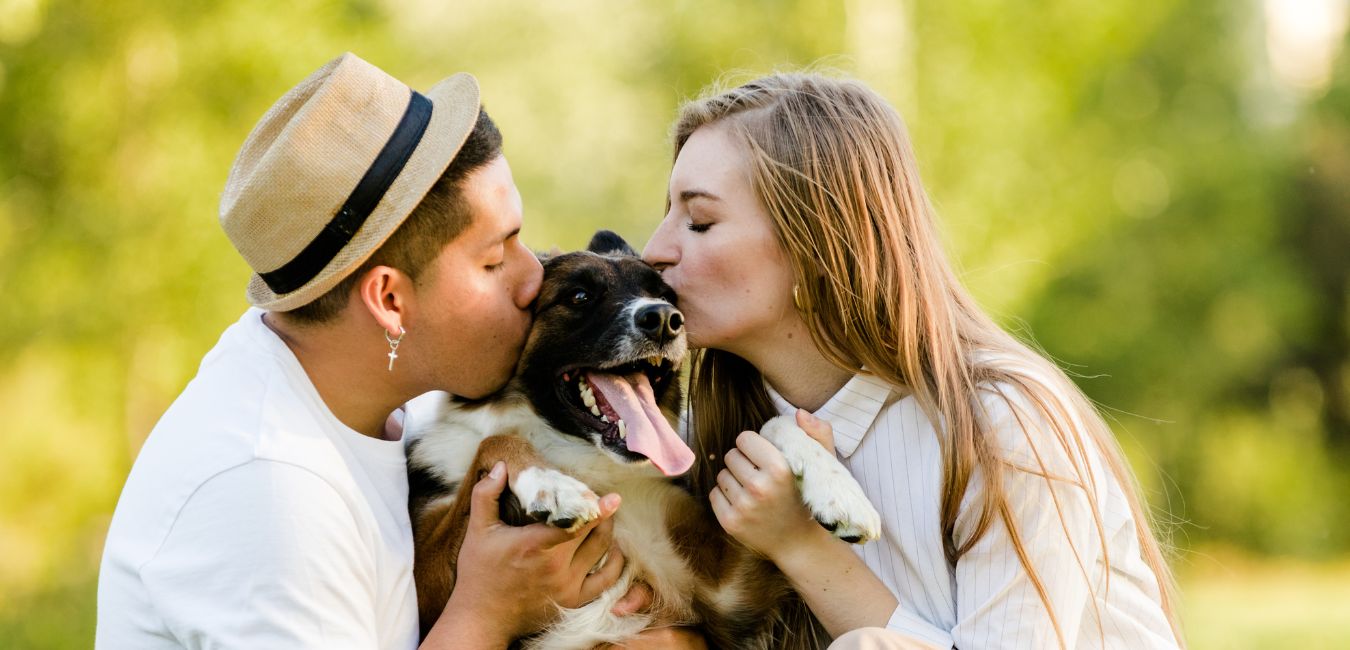
- Physical touch, such as hugging, cuddling, or simply sitting close, is an essential aspect of human bonding. Engaging in these activities with a dog can inadvertently promote closeness between human counterparts.
- This closeness can be especially helpful when partners are feeling distant or strained in their relationship.
- Stress Relief:
- Interacting with dogs has been scientifically shown to reduce stress, lower blood pressure, and release oxytocin, the “love hormone.”
- When couples or families are in conflict, the presence of a dog can create a calming environment, making it easier to approach problems rationally.
- Teaching Unconditional Love:
- Dogs love their owners regardless of their flaws and shortcomings. This unconditional love can serve as a reminder of how relationships should function.
- By embodying this form of unwavering affection, dogs can inspire individuals to approach their relationships with more understanding and compassion.
- Providing a Shared Responsibility:
- Taking care of a dog is a commitment that requires teamwork. This shared responsibility can foster collaboration and compromise—essential skills for any relationship.
- Overcoming challenges together, such as training a puppy or handling a pet’s illness, can strengthen the bond between individuals.
- Promoting Active Lifestyles:
- Dogs require regular exercise, prompting owners to be more active. Engaging in physical activities together, like walking or playing fetch, can boost endorphins and improve mood, reducing the likelihood of arguments or disagreements.
- Serving as a Distraction:
- Sometimes, couples or family members need a break from ongoing tensions. A dog can offer a pleasant distraction, providing moments of joy and levity during challenging times.
- Enhancing Empathy:
- Understanding a dog’s needs and emotions can hone one’s empathetic skills. Being in tune with another being can transfer to improved understanding and empathy in human relationships.
- Creating Shared Memories:
- Experiences like trips to the dog park, vacations with the pet, or even amusing mishaps can become cherished memories. Shared experiences and stories can solidify the bond between individuals.
In conclusion, while dogs cannot directly mediate disagreements or offer relationship advice, their presence offers myriad subtle ways to foster understanding, promote communication, and heal rifts. Whether it’s through their unyielding love or the responsibilities they bring, dogs undoubtedly have the potential to mend frayed bonds and strengthen relationships.
